Why Affluent Families Need a CIO and Investment Committee
By: David Templeton, CFA
Investment governance is becoming the new gold standard for serious wealth.
The first question wealthy families often ask isn’t about performance
When wealth reaches a certain level, the questions change. People stop shopping for “returns” and start shopping for decision-making structure.
The most telling question isn’t: What are you investing in? It’s: Who is making the investment decisions — and how?
David Templeton puts it this way:
“People of wealth often ask: ‘Who’s making the investment decisions, and who’s on the investment committee?’ They’re not doing it, and they don’t want to do it, but they want to know there is a real process and real accountability behind the decisions.”
That’s governance. And for affluent families—especially those thinking in decades and generations—governance isn’t a “nice to have.” It’s a requirement.
1) The Private Wealth shift: from “portfolio” to “stewardship”
For affluent families, investing is rarely just about building wealth. It’s about protecting a family’s options, identity, and future.
As family wealth grows, the capital starts to function more like an enterprise. There are more stakeholders. More “what if” scenarios. More decisions that don’t show up neatly on a performance report - like funding the next generation, sustaining a philanthropic vision, or ensuring liquidity without compromising long-term outcomes.
The most important shift is this: affluent families want an investment approach built to last through multiple market cycles and multiple lives. They want stewardship, not impulse. Consistency, not personality. A plan that can hold up when life changes, when markets change, and when leadership changes.
That is exactly why governance becomes part of the Private Wealth standard—not because families want bureaucracy, but because they want clarity and continuity.
2) Why a CIO matters to affluent families
A Chief Investment Officer isn’t a ceremonial title. For Private Wealth clients, the CIO role exists to ensure three things stay true:
The investment philosophy is clear and consistent
- The process is disciplined—especially in volatile moments
The decisions are accountable and explainable
This matters more now because modern investing has become a strange combination of endless information and high-stakes decisions. Affluent investors aren’t short on opinions, headlines, and commentary. They’re short on signal.
David explains the problem plainly:
“We’re in an environment where there is simply too much information out there. The difficulty today isn’t access—it’s figuring out what information is most useful and having a disciplined process that cuts through the noise.”
That’s what a CIO-led investment approach is designed to do: keep the firm’s investment thinking consistent, research-led, and aligned to client goals—without being hijacked by the latest story cycle.
3) Why an investment committee/council matters just as much
A CIO provides leadership. An investment committee (or council) provides governance and continuity.
Affluent families don’t want decisions that depend on who’s in the room, who’s loudest, or what the market did yesterday. They want a disciplined and repeatable process that can sustain through volatility and through time.
David describes the purpose clearly:
“You need to hold someone responsible for making those decisions.”
That responsibility is strengthened—not weakened—when it’s paired with an investment committee process that reinforces discipline, debate, research, and consistent implementation.
It also improves clarity for clients. When a firm is not aligned in investment thinking, messaging can drift, and clients feel it. The investment committee structure helps ensure clients receive a clear, consistent perspective grounded in one philosophy and one approach.
4) The modern risks affluent families face: noise + concentration
Affluent investors aren’t immune to market traps. In fact, the stakes are often higher because the dollars are larger, and the decisions carry real multi-decade consequences.
Two modern risks show up repeatedly in Private Wealth relationships:
Risk #1: Information overload
Most investors don’t lack information. They have too much of it—and it can create false confidence or emotional whiplash.
David states the reality:
“We’re in an environment where there is simply too much information out there. The difficulty today isn’t access—it’s figuring out what information is most useful and having a disciplined process that cuts through the noise.”
This is one of the quiet values of a CIO-led process: it filters signals from noise, so decisions stay rooted in long-term logic, not short-term fear or hype.
Risk #2: Concentration disguised as diversification
Many investors assume owning “the market” means they’re diversified. But modern indexes have become more concentrated, and that can expose investors to unintended risk.
David puts it plainly:
“Our investment philosophy focuses on high-quality investments you can buy at a reasonable price. The index is less diversified today, so concentration is a real risk, and our approach is to provide diversification in an effort to minimize concentration risk while still
pursuing growth.”
That’s the difference between participation and stewardship: you don’t abandon growth, but you pursue it with discipline and risk awareness.
5) Emotion and volatility: the hidden tax on wealthy investors
Most investors don’t get into trouble because they’re unintelligent. They get into trouble because markets know exactly how to trigger emotion.
And for affluent families, the cost of a bad decision isn’t just regret—it can change the trajectory of family goals, philanthropic plans, and long-term security.
David is blunt about the human reality:
“When it’s your own money, it’s easy to fall back on an emotional decision that might be incorrect. A disciplined process and an
outside investment advisor can help take the emotion out of it - especially in volatile markets.”
This is another reason affluent families value CIO-led governance: it helps ensure that decisions stay rational when headlines aren’t.
6) AI: a helpful tool, not a decision-maker
Affluent families are paying attention to AI—and they should. But what they’re really asking is: will technology replace judgment?
David’s view is balanced and practical:
“We’re using AI internally, and it’s beneficial for pulling the relevant pieces out of the broader noise. But you still need human
intervention to analyze that information and make the actual investment decisions.”
For affluent families, that’s the key: use technology to improve insight and efficiency—but keep decision-making grounded in human accountability, context, and long-term stewardship.
7) Multi-generational wealth changes the mandate completely
This is where the CIO + investment committee structure becomes non-negotiable.
For many families of significant wealth, the goal isn’t “maximize returns this year.” It’s “ensure the plan holds through multiple decades, multiple lives, and multiple market cycles. The overriding benchmark is achieving a family’s goals and objectives.”
David describes it this way:
“With larger wealth and families, you’re often managing for second and third generations—even fourth generation. This long-term, future-focused investment thinking for families of great wealth is exactly why the CIO role and the role of the investment committee is so critical.”
When you’re investing for multiple generations, governance becomes protection. It ensures clarity, continuity, and disciplined decision-making that stays aligned with a family’s long-term intent—even as markets, technology, and life circumstances change.
Call to action
If you want to see how an investment process is built, not just described, the simplest next step is to follow David’s market commentary. It’s one of the best ways to understand how disciplined investors think when the market gets noisy.
Sign up for David’s market commentary blog.
And if you’d like a conversation about how CIO-led investment governance can support your family’s long-term goals, schedule a private discussion with HORAN Wealth here:
https://horanwealth.com/contact
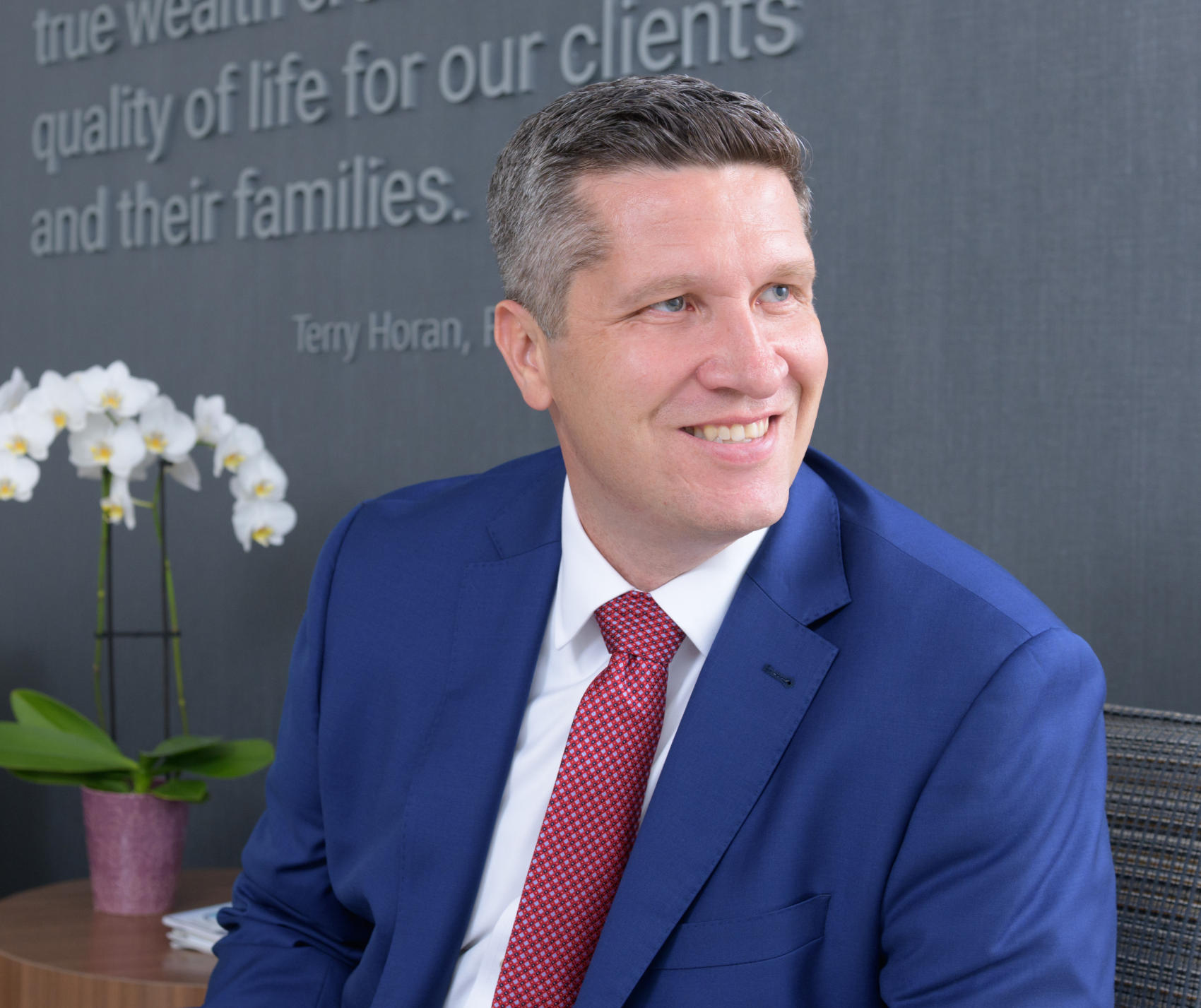
About David Templeton, CFA®, Chief Investment Officer & Principal
David Templeton, CFA®, is Chief Investment Officer and Principal at HORAN Wealth, with more than 30 years of financial services experience spanning banking, credit analysis, and the management of institutional, nonprofit, and family investment portfolios. Over the past 16 years at HORAN Wealth, he has been a steady leader in disciplined investing and thoughtful portfolio construction designed to protect and enhance client wealth. As CIO, David leads the HORAN Wealth Investment Committee, responsible for investment strategy, research, and portfolio management, and he regularly shares practical market insight through his ongoing commentary. He earned his MBA from Xavier University and his BS in Business from Indiana University, and he is a member of the CFA Institute and the CFA Society of Cincinnati.
About HORAN Wealth
For over 75 years, HORAN Wealth has guided businesses, families, and investors through their financial journey, so they can live more abundantly and productively, now and for generations to come. As one of the largest independently owned advisory firms in Cincinnati, HORAN Wealth is a trusted fiduciary with a growing national footprint, overseeing nearly $4 billion in assets under advisement, with offices in Ohio, Kentucky, and Pennsylvania.
Investment advisory services offered by HORAN Wealth, LLC, registered with the U.S. Securities and Exchange Commission. Not FDIC Insured | No Bank Guarantee | May Lose Value
The information herein has been obtained from sources believed to be reliable, but we cannot assure its accuracy or completeness. Neither the information nor any opinion expressed constitutes a solicitation for the purchase or sale of any security. Any reference to past performance is not to be implied or construed as a guarantee of future results. Market conditions can vary widely over time and there is always the potential to lose money when investing in securities. HORAN does not provide tax, legal, or accounting advice. This material has been prepared for informational purposes only and is not intended to provide and should not be relied on for tax, legal or accounting advice. You should consult your own tax, legal, and accounting advisors before engaging in any transaction.